
Introduction
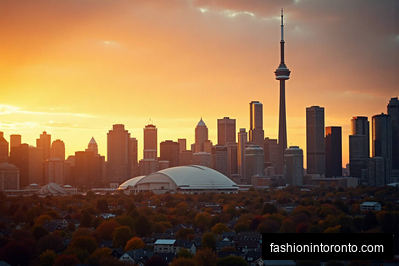
Toronto, Canada's largest city, is often celebrated for its vibrant cultural scene, including a rich history in the fashion industry that dates back over a century. This bustling metropolis has grown from its humble beginnings into a significant player on the world's fashion stage, contributing unique styles, influential designers, and innovative fashion education programs. Exploring the roots of Toronto's fashion history not only sheds light on the city's dynamic evolution but also highlights its impact on the global fashion landscape. This journey through time reveals how Toronto's fashion scene has been shaped by its multicultural fabric, economic shifts, and a burgeoning creative community, establishing it as a notable hub for fashion enthusiasts and professionals alike.
Delving deeper into Toronto's cultural tapestry, the city's museums, such as the Royal Ontario Museum and the Art Gallery of Ontario, offer a fascinating introduction to its diverse history.
The Early Days: Toronto's Fashion Foundations
The history of fashion in Toronto can be traced back to the late 19th and early 20th centuries when the city began to establish itself as a center for textile manufacturing and garment production. Companies like the Toronto Knitting and Yarn Co., founded in 1871, played a pivotal role in laying the groundwork for the city's burgeoning fashion industry. These early enterprises not only boosted the local economy but also set the stage for Toronto to emerge as a fashion-forward city. The establishment of Eaton's and Simpson's, two of Canada's major department stores, in the late 1800s further propelled Toronto into the fashion limelight, offering a platform for both local and international designers to showcase their creations.
The early 20th century saw the rise of bespoke tailoring and couture fashion in Toronto, with shops and ateliers catering to the city's elite. This era marked the beginning of Toronto's reputation as a city that appreciated fine craftsmanship and high-quality materials, characteristics that continue to define its fashion scene today. The Great Depression and the two World Wars, however, posed significant challenges to the fashion industry, leading to a shift towards more practical and affordable clothing. Despite these hurdles, Toronto's fashion industry persevered, setting the foundation for a diverse and resilient fashion scene.
During this era, Toronto's fashion scene was heavily influenced by the city's industrial growth, with tailored suits and elegant dresses becoming staples.
Notable designers like Robert Simpson and Eaton's iconic department store played pivotal roles in shaping Toronto's early fashion landscape, setting the foundation for future trends.
Post-War Boom and Cultural Revolution
The post-war era marked a significant turning point for fashion in Toronto. The economic boom of the 1950s and 60s, along with a growing sense of national pride, fueled a surge in demand for Canadian-made clothing. Designers like John Warden and Marilyn Brooks made their mark during this period, pioneering a distinctly Canadian aesthetic that was both elegant and practical. The introduction of synthetic fabrics and mass production techniques also revolutionized the industry, making fashion more accessible to the general public.
The 1960s and 70s witnessed a cultural revolution that had a profound impact on Toronto's fashion scene. The city became a melting pot of styles, influenced by the influx of immigrants, the rise of youth culture, and the growing feminist movement. This period saw the emergence of boutique culture, with shops like Creeds and The Unicorn offering avant-garde and international designs. Toronto's fashion industry began to reflect the city's diversity, embracing a wide range of influences and catering to a variety of tastes and preferences.
As the Post-War Boom flourished, Toronto saw a surge in avant-garde art movements reflecting the Cultural Revolution's spirit.
The Rise of the Fashion District and Designer Fame
The late 20th century was a period of significant growth and transformation for Toronto's fashion industry. The establishment of the Fashion District in the city's downtown core provided a centralized hub for manufacturers, wholesalers, and retailers, further solidifying Toronto's status as a fashion capital. This era also saw the rise of iconic Canadian designers such as Wayne Clark, Lida Baday, and Alfred Sung, whose international success brought global attention to Toronto's fashion scene.
The 1980s and 90s were marked by the emergence of fashion shows and events that showcased Toronto's design talent on a global stage. The inception of Toronto Fashion Week in the late 1990s was a watershed moment, offering a platform for both established and emerging designers to present their collections. These events not only highlighted the creativity and innovation of Toronto's fashion industry but also attracted international buyers and media, further elevating the city's global fashion profile.
As designers like Izzy Camilleri and Sarah Stevenson gained international acclaim, Toronto's Fashion District became a hub for cutting-edge fashion.
Modern Innovations and Global Recognition
In the 21st century, Toronto's fashion industry continues to thrive, driven by a blend of tradition and innovation. The city's fashion schools, such as Ryerson University's School of Fashion and George Brown College's Fashion Studies program, are nurturing the next generation of designers, who are pushing the boundaries of sustainability, technology, and design. Toronto's fashion scene is also being shaped by digital innovation, with online retail and social media offering new platforms for designers to connect with a global audience.
Toronto's fashion industry has garnered international acclaim for its dedication to diversity and inclusivity, with designers and brands increasingly reflecting the city's multicultural identity in their work. Events like the Indigenous Fashion Week Toronto and the Toronto Men's Fashion Week highlight the breadth and depth of talent in the city, promoting a more inclusive and global perspective on fashion. As Toronto's fashion scene continues to evolve, it remains a vibrant and dynamic force on the international stage, celebrated for its creativity, resilience, and spirit of innovation.
One notable modern innovation in global recognition is the rise of blockchain technology, revolutionizing secure transactions and data transparency.
Companies like Tesla, with their cutting-edge sustainable energy solutions, showcase how global recognition can stem from pioneering eco-friendly initiatives.
Conclusion
The history of fashion in Toronto is a testament to the city's enduring influence on the global fashion industry. From its early days as a burgeoning textile center to its current status as a hub of creativity and innovation, Toronto has continuously evolved, embracing change and diversity. The city's fashion history is not just about the clothes but also about the people, the ideas, and the movements that have shaped its unique identity. As Toronto looks to the future, its fashion industry remains a beacon of potential, promising new avenues for expression, sustainability, and global connectivity. The legacy of Toronto's fashion history is a foundation upon which the next chapter of innovation and creativity will be built, ensuring that the city's fashion scene remains vibrant and relevant for years to come.
For those interested in exploring the rich tapestry of Toronto's fashion history further, numerous museums, galleries, and archives offer insights into the evolution of the city's style. Engaging with this history not only enriches our understanding of fashion as a cultural phenomenon but also inspires us to appreciate the power of fashion as a form of personal and collective expression. As Toronto continues to carve out its niche on the world stage, its fashion industry stands as a proud emblem of the city's past, present, and future.
In conclusion, Toronto's fashion legacy continues to shape the industry, with iconic events like Toronto Fashion Week showcasing local talent.
The city's vibrant multicultural community adds a unique flair to its fashion scene, making Toronto a hub of creativity and diversity.